





CAS Executive Director Danielle Rocheleau Salaz wins Employee of the Year Award

Danielle Salaz has been awarded the College of Arts and Sciences Employee of the Year award for 2023. She was recognized for her innovation, problem solving skills, and proactive investment in the success of the Center for Asian Studies and the College as a whole. As one nominator put it: “Much of (the success of the Center) is due to Danielle’s commitment to excellence, her exceptional work habits, her high level of knowledge and initiative, and her consistently positive attitude.”
Congratulations Danielle!
CAS Annual Theme

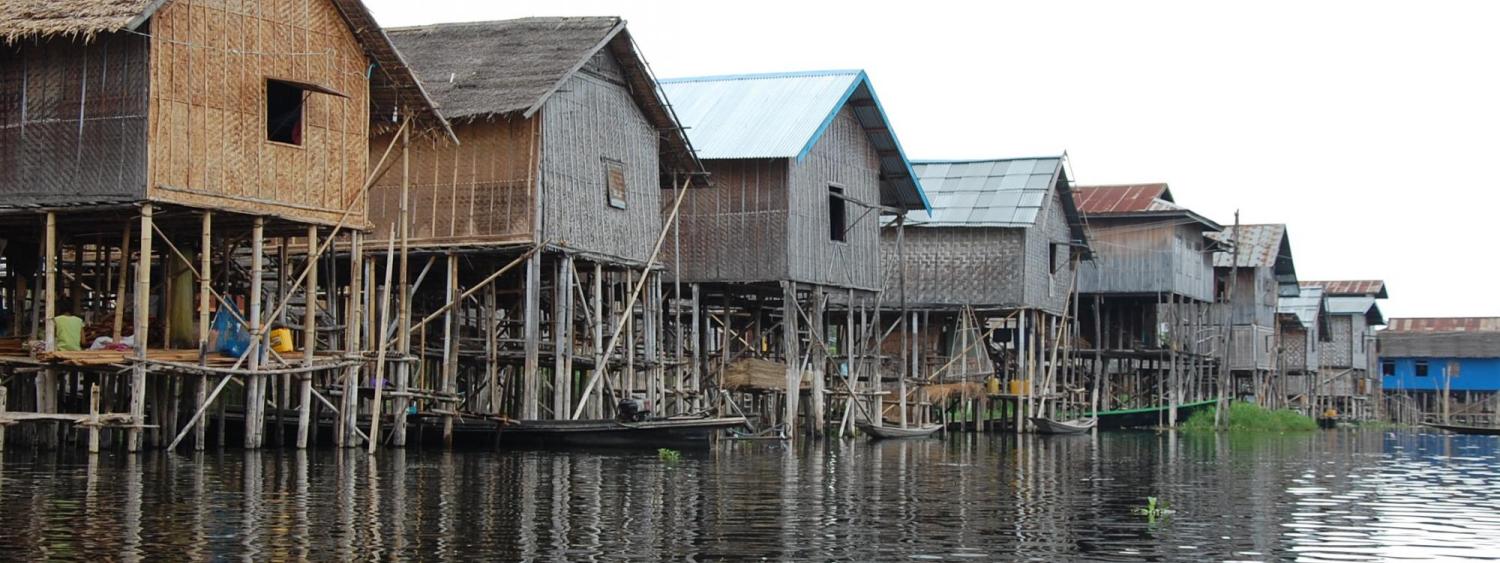
The CAS theme for the 2023-24 academic year is Fluid Asia. Read more here.

China Made is a partnership between the Center for Asian Studies at the University of Colorado Boulder, the Hong Kong Institute for Humanities and Social Sciences at the University of Hong Kong, the Asia Research institute at the National University of Singapore, and the Asian Institute at the University of Toronto. China Made is supported by an Asian Responsive Grant from The Henry Luce Foundation.